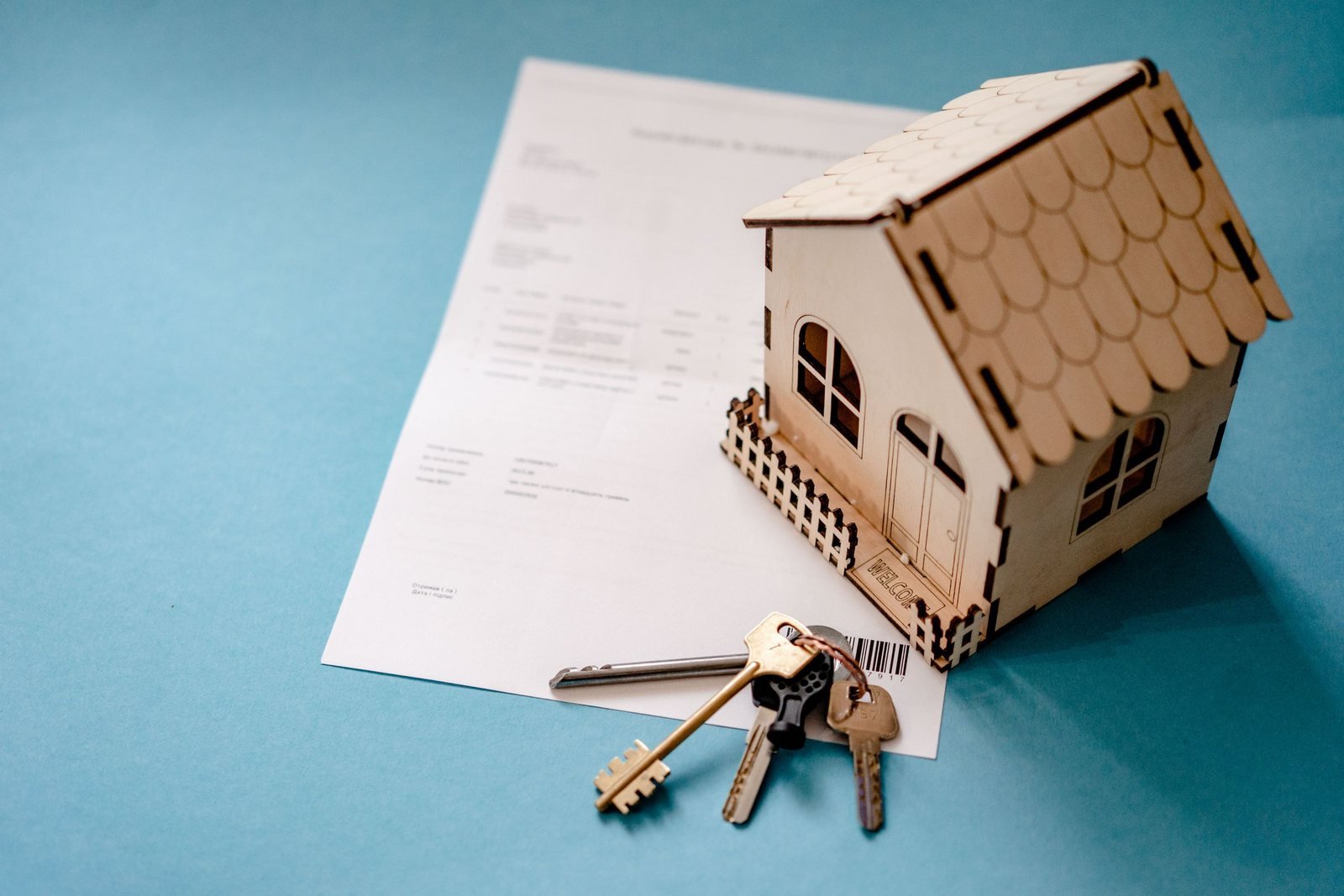
When you're starting to look at buying your first home, or any home, knowing what a lender will actually approve and what fits your budget is one of the first steps in the process. It makes sense when you think about it: until you know what a lender will approve, you're guessing at your budget, and in Orange County that can mean looking at homes you can't realistically buy or overlooking ones that actually fit. Here's how pre-approval works and why it's worth doing before you start looking, especially in a market as competitive as Orange County.
Pre-qualification vs pre-approval
These get used interchangeably, but they're not the same thing.
A pre-qualification is a quick, informal estimate. You tell a lender your income, your debts, and roughly what you have saved, and they give you a ballpark number. Nothing is verified. It's useful for an early gut check, but it generally carries much less weight with a seller.
A pre-approval is the real version. The lender collects documentation, pulls your credit, and runs your file through their system to produce a written letter stating how much they're prepared to lend you and on what terms. It's not a guarantee, but it means someone has actually looked at your finances instead of taking your word for it.
If two offers are otherwise competitive, having a solid pre-approval can make yours easier for the seller to trust, because you've already taken steps to verify your ability to finance the purchase.
What the lender looks at
To write a pre-approval, a lender is generally going to want:
- Recent pay stubs and W-2s, or tax returns if you're self-employed
- Bank and investment account statements, to confirm your down payment and reserves
- A credit report, which they pull directly
- A list of your monthly debts, so they can calculate your debt-to-income ratio
Debt-to-income is the one people underestimate. Lenders care less about your total salary and more about how much of your monthly income is already committed to other payments. Two people with the same income can get very different approvals depending on car loans, student loans, and credit card balances.
Does it hurt your credit?
A pre-approval involves a hard credit inquiry, which can lower your score by a few points temporarily. That's normal and not something to avoid. If you're shopping multiple lenders, do it within a short window. Mortgage inquiries made close together are generally treated as rate shopping rather than several separate attempts to take on new debt. What you don't want to do is open new credit cards or finance a car in the middle of buying a home, that can change your approval.
How long a pre-approval lasts
A pre-approval is often good for around 60 to 90 days, although the exact expiration depends on the lender. If your search runs longer than that, your lender may refresh it with updated financial documents and another credit check. Usually, that doesn't mean starting the entire process over.
Why it matters more in Orange County
In a slower market, you might get away with touring homes first and sorting out financing later. Here, that usually backfires:
- Well-priced homes can get multiple offers within days, and you can't act that fast without financing already lined up.
- Some listing agents may ask for proof of financing before a private showing, especially at higher price points or when sellers want to limit access to qualified buyers.
- Sellers weighing offers tend to see a verified pre-approval as a sign the deal is more likely to actually close.
Getting pre-approved first also tells you your real number before you fall for a house above it.
Pre-approval isn't the finish line
A pre-approval is a strong start, but the loan still has to go through full underwriting once you're in contract. The lender may require an appraisal, will verify your finances again, and may ask for additional documents. A pre-approval also doesn't necessarily mean your interest rate is locked. A rate lock is a separate step, usually closer to closing. None of this is a reason to worry, it's just worth knowing that "pre-approved" means "ready to make serious offers," not "done."
What to do next
Talk to at least one lender, ideally two or three, before you start seriously touring homes. Ask each one what your pre-approval amount is, what your estimated monthly payment looks like at that price, and what you should expect to bring to closing. The CFPB actually recommends comparing at least three lenders. If you don't know where to start, I can connect you with lenders who work with first-time buyers in Orange County. From there, you'll be looking at homes that actually fit your numbers, which makes the whole process faster and a lot less stressful.