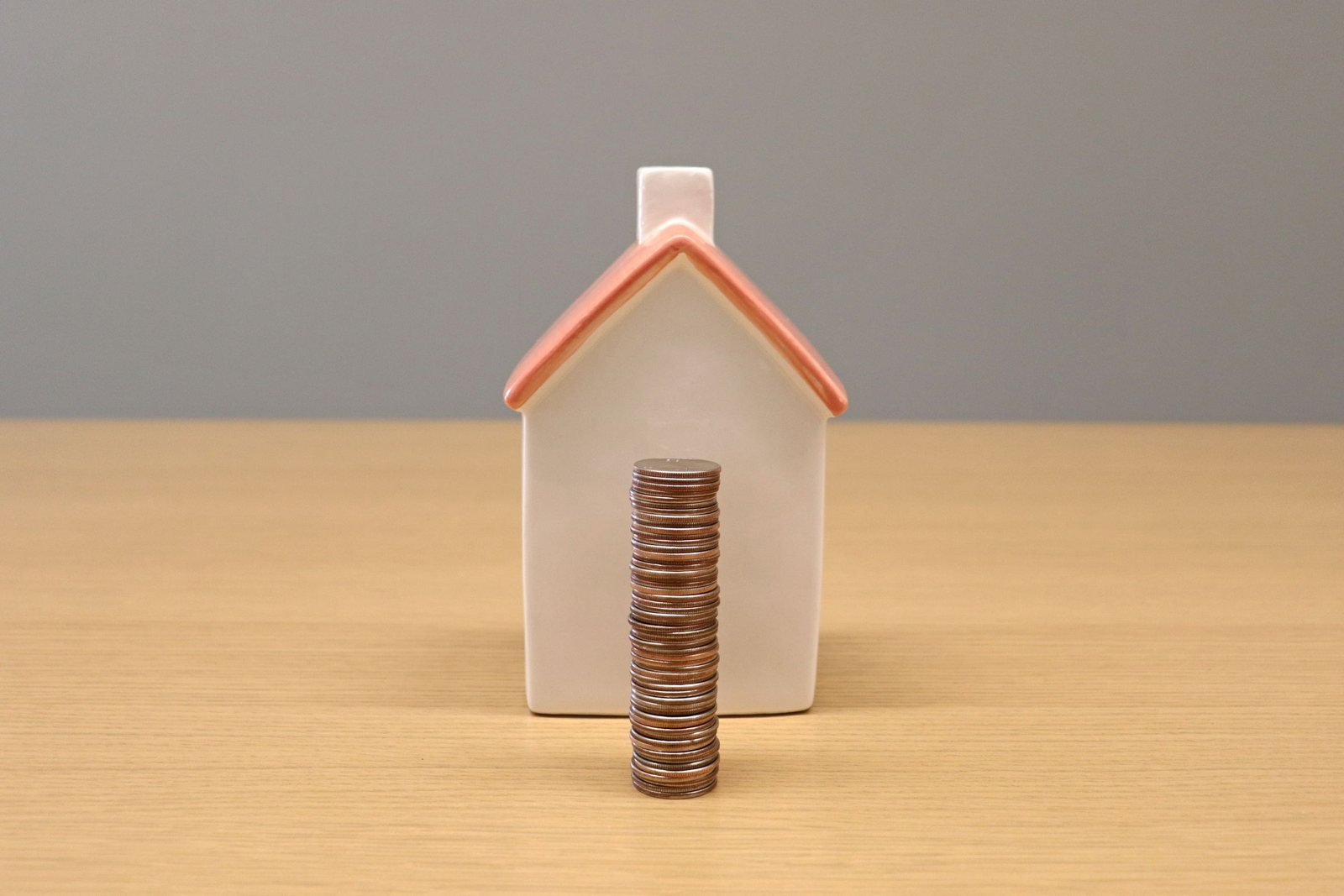
Where the "20% down" idea actually came from
Twenty percent isn't a universal requirement. It's mainly the threshold where, on many conventional loans, you can avoid paying private mortgage insurance (PMI). PMI protects the lender (not you) if you default, and on many conventional mortgages you can eventually have it removed once you meet the required equity and payment conditions. Putting down less than 20% doesn't disqualify you from buying; it just means you'll likely carry PMI for a while, which is a real cost worth planning for, not a reason to wait years to save more.
What loan programs actually require
The minimum down payment depends on the loan type, not on some universal rule:
- Conventional loans: as low as 3% down through programs like Fannie Mae HomeReady® or Freddie Mac Home Possible®, for buyers who qualify.
- FHA loans: as little as 3.5% down for borrowers who meet FHA requirements. FHA loans also have mortgage insurance premiums, which work differently from conventional PMI.
- VA loans: often 0% down for eligible active-duty service members, veterans, and some surviving spouses, though remaining entitlement and lender requirements can affect this.
Individual lenders and loan products can also set their own minimums above these, and every lender evaluates income, credit, and debt differently, so the number that applies to you comes from a conversation with a loan officer, not a blog post. But the range above is what's actually on the table before you assume you need six figures saved.
California's CalHFA programs: the part most people miss
On top of standard loan minimums, California's own housing finance agency (CalHFA) runs assistance programs that can help cover part of your down payment or closing costs. Terms, funding, and eligibility change over time, so the details are worth getting straight from CalHFA rather than a number I quote here that could be outdated by the time you read it.
Two programs you may come across are:
- MyHome Assistance Program: help toward your down payment or closing costs.
- Dream For All Shared Appreciation Loan: larger assistance for eligible first-generation buyers, though it only accepts applications in limited windows rather than year-round, so check whether it's currently open before counting on it.
See current CalHFA programs and eligibility →
What this means for your savings timeline
Put the pieces together and a $700,000 first home in Orange County could realistically need somewhere between roughly $21,000 (3% conventional) and $24,500 (3.5% FHA) for the down payment alone, before factoring in any CalHFA assistance you may qualify for, which could reduce how much of that money needs to come from your own savings. That's still real money, but it's a very different number than the $140,000 that "20% down" implies, and it's why I'd rather run your actual numbers than have you rule yourself out based on a rule of thumb that was never actually a rule.
What to do next
Down payment is only one piece of what you'll need saved, closing costs and earnest money are separate, and I've broken those down in their own guides. Before anything else, though, the most useful step is a conversation with a lender about pre-approval, which tells you what you actually qualify for based on your real numbers, not a national average.