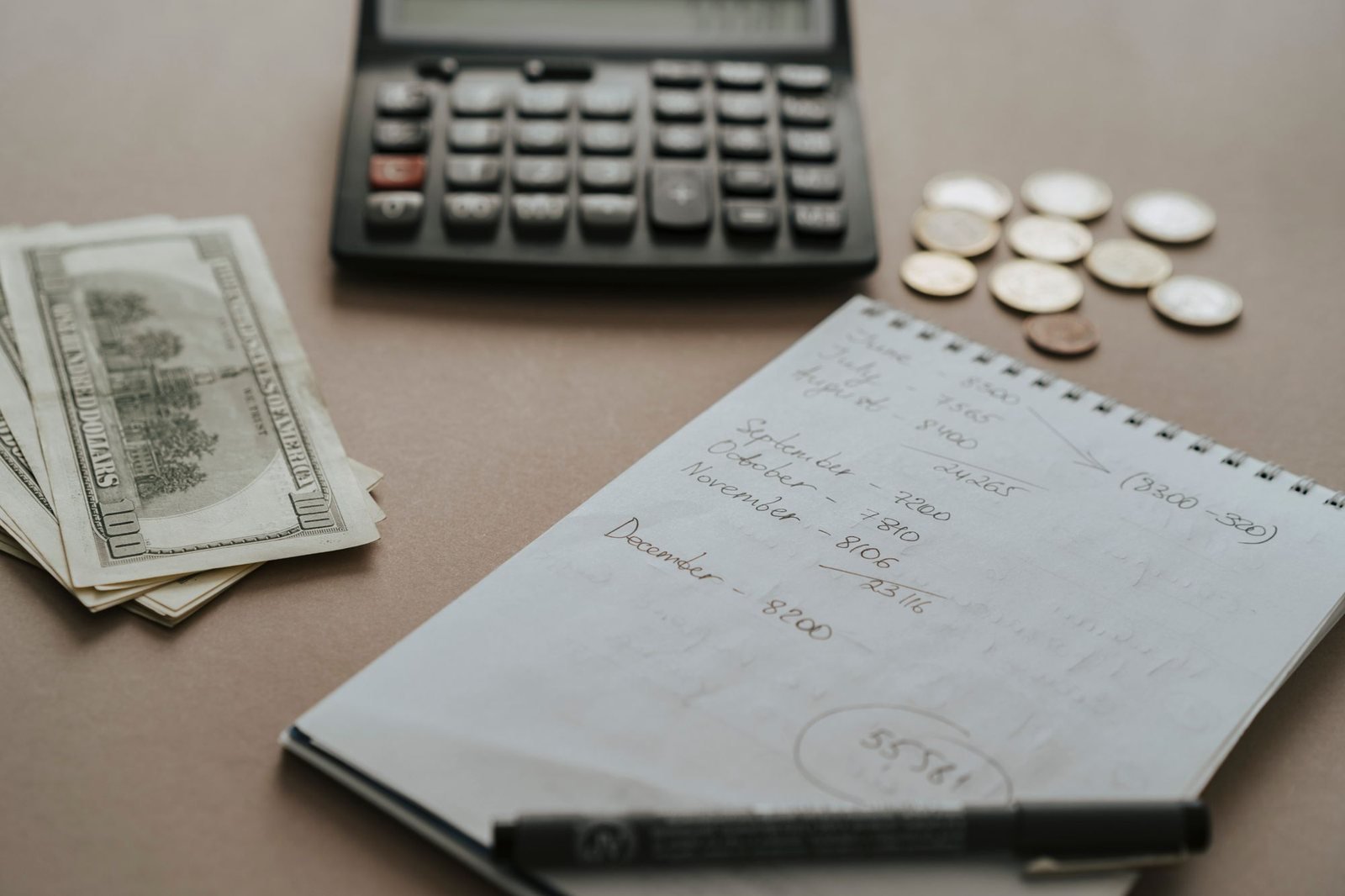
As someone planning to buy my own first home, the down payment was the number I focused on first, and it took me a while to realize it's only part of what you actually need saved. Here's the fuller picture, broken into the pieces that actually make up the total.
The pieces that make up your total
- Down payment
- Closing costs
- Earnest money (needed earlier and generally credited at closing)
- Moving costs and immediate expenses
- An emergency cushion after closing
Closing costs: budget roughly 2% to 5%
Closing costs cover things like lender fees, title insurance, escrow-related charges, government fees, and prepaid expenses. A common early ballpark is 2% to 5% of the purchase price, although the actual amount depends on the loan, property, lender, location, and other factors. Once you apply for a specific mortgage, your Loan Estimate will show the lender's estimated closing costs for that loan.
Earnest money usually isn't an additional cost, but you need it earlier
Earnest money is the deposit you make after your offer is accepted to show you're serious about the purchase. If the transaction closes, that deposit is generally credited toward the money you already owe, such as your down payment or closing costs, so you shouldn't simply add it on top when calculating your total savings target. The important part is that you need access to that cash earlier in the transaction, and whether it can be refunded depends on the terms of your purchase contract.
Moving costs and the stuff nobody budgets for
Movers, new locks, small repairs, utility setup, or even furniture for a room you didn't have before, these add up fast in the first few weeks and are easy to forget when you're focused on the closing table.
Keep an emergency cushion after closing
Even if your loan doesn't require a specific amount of reserves, using every dollar you have to get through closing can leave you in a tough spot when something inevitably comes up. The CFPB suggests setting aside an emergency cushion, often around three to six months of expenses, when figuring out how much cash you can actually afford to put toward buying a home. Some loan programs or individual files may also have formal reserve requirements, so your lender can tell you whether that applies to you.
Putting it together for a $700,000 home
Say you're looking at a $700,000 home in Orange County. Down payment alone could run somewhere between roughly $21,000 (3% conventional) and $24,500 (3.5% FHA). Add closing costs in the 2% to 5% range, another $14,000 to $35,000, and you're realistically looking at $35,000 to $60,000 before factoring in moving costs or an emergency cushion. That's a wide range, which is exactly why a real conversation with a lender about your specific numbers matters more than any rule of thumb.
What to do next
Start with a lender conversation about pre-approval. They'll walk through your specific down payment, estimated closing costs, and whether your loan requires any reserves beyond your own comfort level. From there, you'll have a real number instead of a guess.